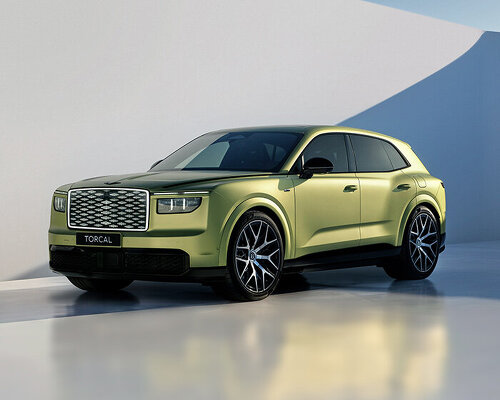
Bentley spent over a century convincing us that a car should rumble, throb, and occasionally clear its throat like a titled gentleman who's just been told the port is off. So when the marque's first fully electric Torcal showed up without a combustion engine, the obvious question wasn't about range or charging speed. It was about identity. What does a Bentley *say* when it no longer has the lungs to announce itself? Apparently, it calls in a string section. The Torcal's answer involves drums, a viola, and bass guitar, all recorded with musicians who are essentially being asked to fake the V8 they can no longer hear under the hood. That's not a gimmick. That's a confession, and we are absolutely here for it.
Here's the thing about the Torcal that's easy to miss between the leather and the launch-day gloss: it's not trying to sound like a spaceship or a swarm of angry wasps. It's trying to sound like the memory of a Bentley. The brand isn't pretending the V8 is still there. It's hiring people to *rebuild* the feeling of it, note by note, because the engineers know that a luxury car is as much about the theatre as the torque. This is where we have to tap the glass and point out the obvious: the Torcal is a concept, and Bentley hasn't confirmed a price, a production date, or whether a single unit will ever roll off a line. We've seen this before. We've watched concepts get rapturously received and then quietly shelved, and we've watched crowdfunding campaigns promise the moon and deliver a paperweight. So the honest take here is simple: the Torcal is a brilliant question wrapped in a very pretty shell, but it's still a question.
That doesn't make it worthless. Far from it. The Torcal's real trick is that it's asking the same question every legacy automaker is trying to dodge: what do you keep when you strip away the engine? Bentley's answer is the cabin, the proportions, the tactility. The long bonnet stays. The materials stay. The sound, that most intangible and emotional part of the driving experience, gets rebuilt by hand instead of by algorithm. That's a genuinely interesting move, and it's one that connects directly to the broader conversation we've been tracking. Bentley’s first EV is its fastest ever, and it looks like nothing else, that's the other side of this coin, the performance spec that makes the Torcal's soul-searching feel like a footnote to a much faster story. And if you want the full arc of how Bentley got here, you'd be better served by that earlier report on its electric debut. The point is, we're not just talking about a car. We're talking about a brand trying to figure out what it means to be a Bentley when the engine is just another battery.
The practical takeaway for anyone reading this is twofold. First, if you're in the market for a luxury EV, do not hold your breath for the Torcal. It's a concept, it's a vibe, and it may never ship, and that's fine. Second, and more importantly, watch what Bentley does with this *sound* project. Because if they actually put a production EV on the road with a musician-tuned, internally synthesized exhaust note that feels as good as the real thing, that's a precedent every other brand will have to follow. And if they don't, then this is just another pretty render with a press release attached. The detail to watch isn't the car. It's whether the viola survives the journey from concept to showroom. Because that's the razor clam in this spec sheet, the one detail everyone scrolls past: Bentley isn't trying to make silence acceptable. It's trying to make silence sound like a choice. That's a much harder trick, and we're not convinced they've pulled it off yet. But we're listening.