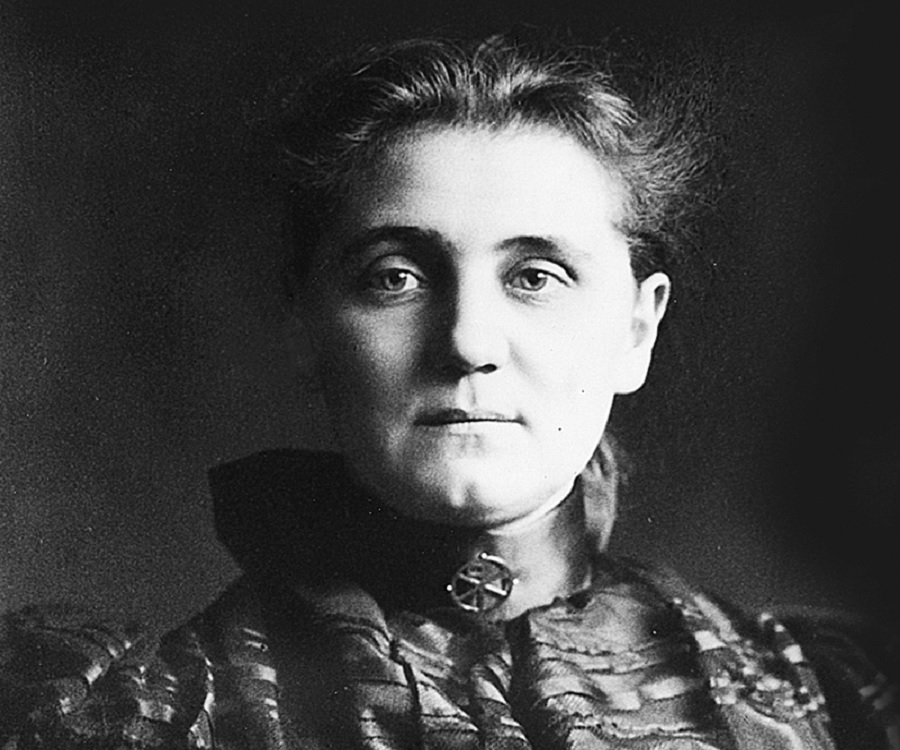
The sheer audacity of a comprehensive encyclopedia dedicated to women philosophers? It’s… delightfully necessary. Let's be honest, the historical record, and frankly, the contemporary landscape of academic philosophy, has been profoundly skewed. Mary Warnock’s observation about the paltry representation of women in philosophy departments—a mere 25% in Britain, and even less in the States— isn’t just a statistic; it's a symptom of a deeper systemic issue. A persistent, often unconscious, overlooking of contributions. We’ve been told, implicitly and explicitly, that philosophical inquiry is a distinctly masculine pursuit. This new website, then, is a direct challenge to that narrative, a forceful squirt of truth at a long-held assumption. It’s the razor clam of historical correction, surfacing unexpectedly and disrupting the sediment of received wisdom. It echoes the spirit of our earlier exploration of the fascinating ways language and culture shape even the most seemingly universal concepts, like swearing—see Global Swearword, Local Ideologies — because the act of naming, of defining, is always already an act of power.
The beauty of this project isn't just in compiling names and biographical details, though that's essential. It’s in actively *reconstructing* a lineage, a tradition that was deliberately obscured or simply ignored. Think about it – the very act of creating an encyclopedia is a declaration of importance. It says, “These people mattered. Their ideas mattered. And we are going to make sure everyone knows it.” It’s a form of intellectual archaeology, excavating the buried treasures of philosophical thought. This aligns with a similar spirit of discovery we highlighted in our piece on Bilingual Brain Scans, where burgeoning research is revealing the complexities of human cognition and challenging simplistic notions of what it means to think. Both projects speak to the power of re-examining established frameworks and uncovering previously unseen perspectives. One might even draw parallels to the meticulous artistry of *décopage* Découpage, where fragments of disparate elements are meticulously layered to create something new and unexpectedly beautiful – this encyclopedia does precisely that with lost or underappreciated philosophical narratives.
The implications extend far beyond simply redressing a historical imbalance. A more inclusive philosophical canon broadens the scope of inquiry itself. When perspectives traditionally marginalized are brought to the forefront, new questions emerge, old assumptions are challenged, and the very definition of "philosophy" expands. It’s about recognizing that the questions we ask – and the answers we seek – are shaped by our lived experiences, our cultural contexts, and our social positions. The absence of women's voices in philosophy has meant a narrowing of that scope, a blindness to certain realities and a prevalence of certain biases. This isn’t about “adding women” to the existing canon; it’s about fundamentally reshaping the canon itself. It's about acknowledging that philosophy has always been, and should continue to be, a dynamic, evolving conversation, open to all voices.
So, what's next? Will this encyclopedia spark a genuine shift in academic philosophy, leading to increased representation of women in departments and a re-evaluation of the curriculum? Or will it remain a laudable but ultimately isolated achievement, a digital repository of overlooked brilliance? Perhaps the most crucial question is this: How do we move beyond simply *documenting* the contributions of women philosophers and actively *integrating* their ideas into the ongoing philosophical discourse? It requires more than just awareness; it requires a willingness to confront our own biases and to challenge the deeply ingrained structures that have kept women's voices marginalized for so long. The clam has surfaced. Now, will we listen?